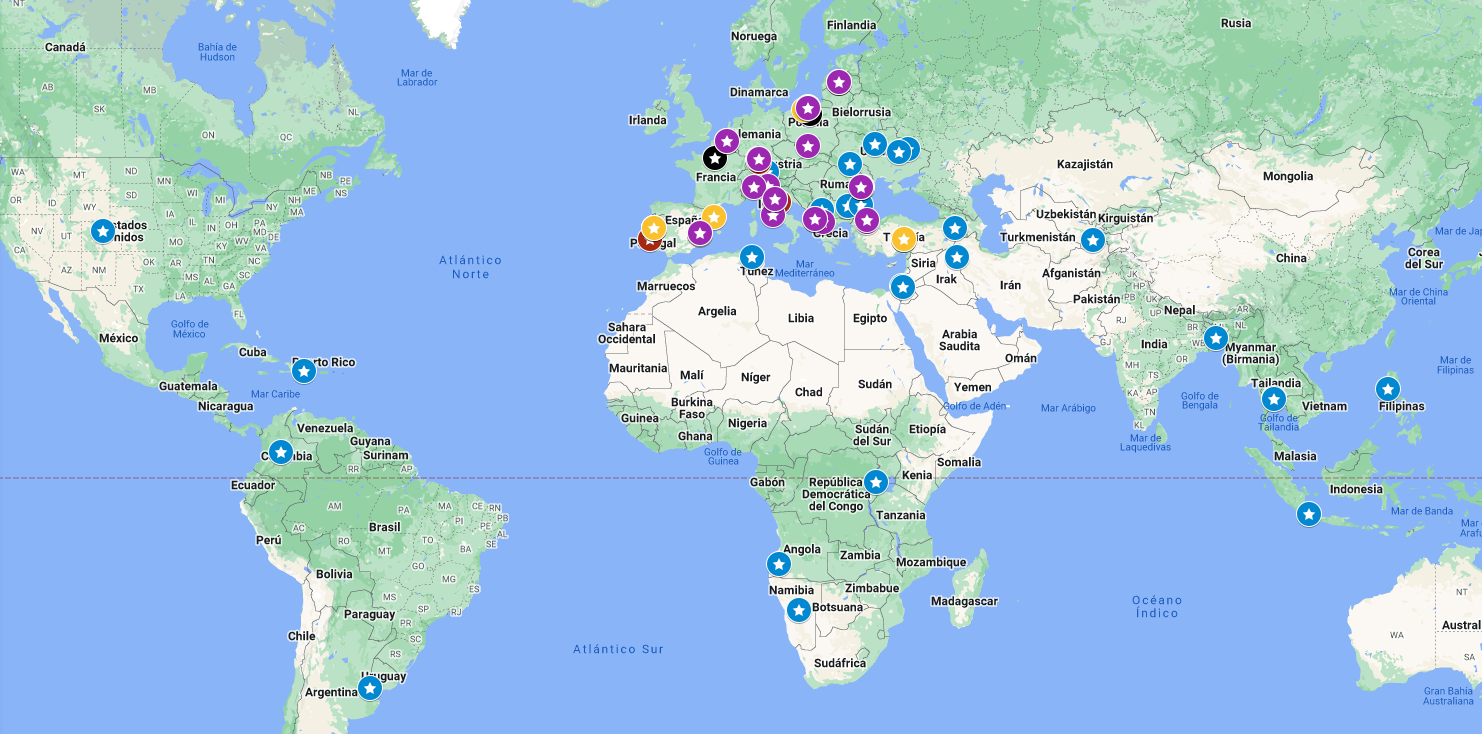





The Qn Alliance stands as a formidable collaborative network, boasting a total of 83 associated partners meticulously distributed across all 5 helixes, indicating a comprehensive and multifaceted approach to collaboration. This configuration suggests the Alliance’s commitment to integrating diverse perspectives and expertise from five distinct sectors or areas of interest..
Academic helix
Academia, as a crucial component of the 5-helix model, adds invaluable knowledge and research expertise to the innovation ecosystem. Its role enhances collaboration with industry, government and society, fostering dynamic partnerships. Through academic insight, cutting-edge research and education, the helix model achieves a harmonious synergy, driving sustainable innovation and societal progress.





























Business helix
Businesses, including entrepreneurs, SMEs, investors, philanthropists… constitute a vital helix in innovation ecosystems. Their dynamic engagement brings market-driven solutions, funding and entrepreneurial spirit to the collaborative model. Businesses play a key role in advancing the collective goals of the 4-helix framework though nurturing innovation, economic growth and job creation.














Public helix
Governments and public institutions provide regulatory frameworks, strategic planning, funding and infrastructure essential for sustainable development. Their active participation ensures a conducive environment for innovation, driving societal progress and addressing complex challenges in collaboration with academia, industry and civil society.







Ciência, Tecnologia e Ensino Superior
Social helix
Citizens and social actors are the heart of the 4-helix model, contributing diverse perspectives and needs. Their active involvement ensures solutions are inclusive, addressing societal challenges effectively. Citizens play a vital role in shaping innovation for the benefit of communities, advancing collective well-being by cultivating engagement, advocacy and feedback.

















Media helix
MEDIA ACTORS play a crucial role in enhancing the relevance and impact of universities in society. These actors contribute to shaping public perceptions of universities, highlighting their contributions to societal progress, innovation and addressing pressing issues. Positive media coverage will enhance the reputation and credibility of universities, attracting talented students, faculty and collaborators while fostering partnerships with industry and government stakeholders. Media exposure will stimulate dialogue and debate around important societal issues, encouraging critical thinking and promoting informed decision-making among the public.



 qn-alliance.eu